
AI Search Didn’t Break SEO. But It Changed How Teams Work.
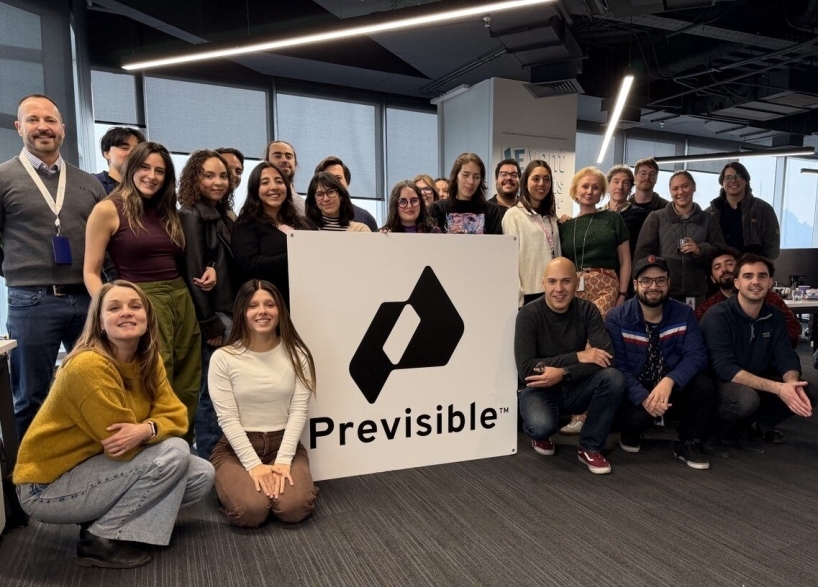
I’ve hired more than 100 search professionals over my career, and I’ve helped build a company that mostly promotes from within. So I spend a lot of time thinking about what it takes for people in our industry to grow. This year, that question got harder, for our clients, for the industry, and for us.
SEO no longer lives with a single team
Everyone knows where we work is shifting. AI Overviews, ChatGPT, Perplexity, and a growing list of answer engines now sit between brands and the people looking for them. That’s not news anymore. What I think gets less attention is how it’s affecting the people doing the work.
As SEO has become more complex, it has broadened the circle of who is involved in content creation. It used to sit with one team. Now it touches content, product, engineering, PR, brand, and leadership. Job titles are changing, responsibilities are getting split across roles, and in-house SEOs are working with more stakeholders than ever. The attention is real, too. Profound, an AI visibility tool founded in 2024, is now valued at $1.8 billion, and Adobe bought Semrush. More people care about this work than ever before.
That’s good news. But more complexity, spread across more people and disciplines, creates a different kind of challenge. It’s not only a strategy problem. It’s a people problem: how they’re managed, how they grow, and how they make the right calls when the answer isn’t obvious. Most organizations, ours included, are still catching up.
It happened to us too
As our clients’ needs got more complex, familiar ways of working weren’t agile enough to keep up with the rapid changes we faced as a team at Previsible.
Think about the range of client scenarios today: A Fortune 500 company might have its own team of 15 people working on AI search, with a couple of our people fully dedicated to them as an extension of that team. A business software company might have one or two people running its entire marketing department, so our role might involve strategy, consulting, and executing the work itself. And sometimes a client brings us in for one specialty, like authority building, where we bring some of the deepest experience in the industry, including a team with over 20 years in link building that joined us when we acquired Internet Marketing Ninjas.
Those are three very different jobs, each with its own mix of skills, stakeholders, and expectations. No single way of working could serve all three.
So in 2026, we restructured. We moved our client teams into five portfolios, each built around a type of engagement and how we deliver value in it. At the same time, our specialties continued to grow. Our Digital PR team expanded, and we expanded our authority-building team to keep up with the increased demand for trusted links. Our content teams grew too, both to handle the wider range of formats clients now need and to take on more frequent content hygiene to ensure already-published assets remain accurate, useful, and competitive.
On paper, that’s a story about growth. In practice, it meant more teams, more handoffs, more specialized roles, and more people figuring out where they fit in. The same complexity our clients were feeling had landed on us.
What our people told us
Earlier this year, we ran our first company-wide engagement and culture survey. 82.5% of our team responded, which told us something in itself: people wanted to be heard.
The results were better than we could have hoped during such a time of tremendous change. Our employee Net Promoter Score came in at +37 – an excellent result that reflects a highly engaged workforce and puts us in world-class territory. About 88% of our people said they see themselves here a year from now, and 100% of our managers said the same. 96% of respondents said our leadership team is empathetic and trusting. Those results earned us the 2026 Agency Workplaces Award, a recognition based directly on what our own people told us, not on what we say about ourselves.
When people explained why they’d recommend working at Previsible, the same themes kept coming up: kind colleagues, open communication, flexibility, and real trust. The human side of how we work was what they valued most.
We are proud of that. But a strong score isn’t a finish line. The same survey told us that people wanted clearer paths for growth, a more comprehensive picture of what the next step looks like, and additional support as their roles became more complicated. The complexity we’d just reorganized the business around was now showing up in our people’s individual careers, too. We still had real room to improve.
Four changes we made (and why)
So we got to work on the things our people told us mattered most.
Clearer paths for growth. We built out our career model and competency catalog, so everyone can see what each level looks like, what skills it takes to get there, and how their work connects to our core values. Growth shouldn’t depend on guessing what your manager is thinking.
Better managers, not just more of them. As teams became more specialized, our managers needed new tools too. We started a managers’ book club, and we run monthly leadership training sessions that address the real challenges of running teams, from workload to feedback to accountability. We also gave everyone at Previsible access to an AI career coach, so people can work on their goals and development between conversations with their manager. Human-led doesn’t mean anti-AI. It means using available technologies in a way that helps people grow, not as a replacement for real conversation.
Better ways of resourcing our work. As our client work got more varied, we refined how we staff and resource each account. The goal is simple: match the right people to the right work, and make sure our teams can grow without burning out. For clients, that means more continuity and the right specialists when they need them.
Investing in our team in Chile. A big part of Previsible works out of Santiago, and that team is central to how we deliver for clients. Alongside some upgrades to the office there, we’re focused on giving them the same visibility, support, and growth paths as everyone else.
None of this is finished. A career model is only useful if managers use it in real conversations, and resourcing is something we’ll keep adjusting as client needs change. But it’s a different starting point than a year ago.
The same problem, everywhere
We spent a year reorganizing around our clients’ complexity, and the hardest problems we ran into had very little to do with search, or tools, or new technology. They were people problems. Who owns this? Who makes the call when the data points both ways? What does growth look like in a job that didn’t exist three years ago?
SEO is getting more complex and requiring more collaboration across more teams. That’s true for an enterprise company with a 15-person team, for a business software company with one marketer, and for us. In every case, the hard part isn’t getting more data or another tool. The tools are better than ever. The hard part is helping people navigate it: knowing who owns what, how to make the right calls when the answer isn’t obvious, and how to grow into roles that didn’t exist a few years ago.
That’s what we mean when we say we’re a human-led AI discovery agency. AI is part of everything we do. But the judgment, the relationships, and the ability to get an organization moving in the same direction still come from people. We help our clients build that. We’re working on building more of it in ourselves. And if you’re an SEO trying to figure out where your career goes from here, it’s probably what you need to build, too.
What this means for your SEO career
So what do you do with this if you’re an SEO trying to grow? Here’s where I’d focus, and it’s the same thing we look for when we promote people at Previsible.
1. Translate your experience, don’t start over. Crawling, content structure, testing, authority, citations: the fundamentals still carry most of the weight in AI search. They just have new names now. The SEOs who move up are the ones who can explain what they already know in the language their company is suddenly using.
2. Tie your work to the business. Attribution in AI search is still messy, so the SEOs who can connect their work to revenue, pipeline, or whatever value leadership actually cares about are the ones who will stand out. Rankings and visibility scores are a starting point, not the full story.
3. Bring other teams with you. You can’t ship much in AI search alone anymore. Learn how engineering prioritizes, how PR pitches, how product says yes. Then show up with solutions those teams can act on, not just another ticket for the backlog.
4. Build your judgment, and own it. Tools tell you what’s happening. Your value is deciding what to do about it. Make clear recommendations, explain your reasoning, and own the outcome. That’s the strongest signal you’re ready for more.
And when you’re choosing where to grow, ask how a company develops its people. If they can’t answer clearly, that tells you something.
Where we go from here
We don’t have it all figured out. But we believe the agencies, brands, and SEOs who win the next few years will be the ones who invest in people as seriously as they invest in tools.
If you want to see more of how we’re doing that, follow Faces of Search, our monthly newsletter about the people behind Previsible, and subscribe to our SEO Jobs Roundup. And join us on November 19 for a LinkedIn Live where we’ll dig into all of this, including what building a human-led agency looks like in practice.
Published on Nov 16, 2026
Last Updated on Nov 16, 2026
Your buyers are already asking AI who to trust. Let's make sure they find you.


