The New Rules of Authority: What I Took Away From brightonSEO San Diego

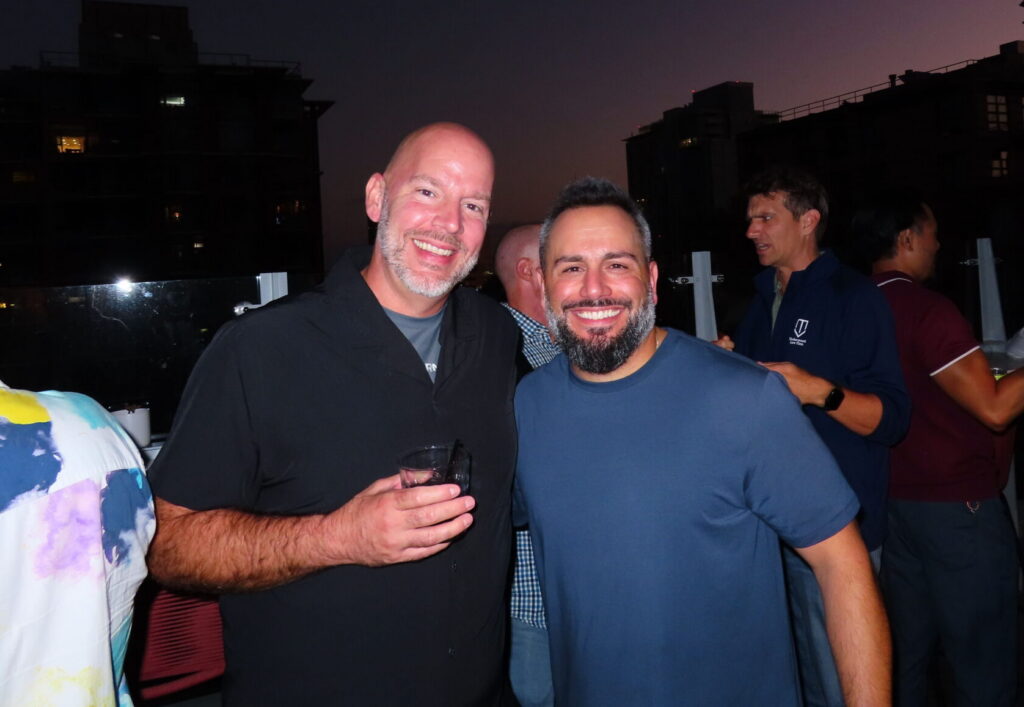
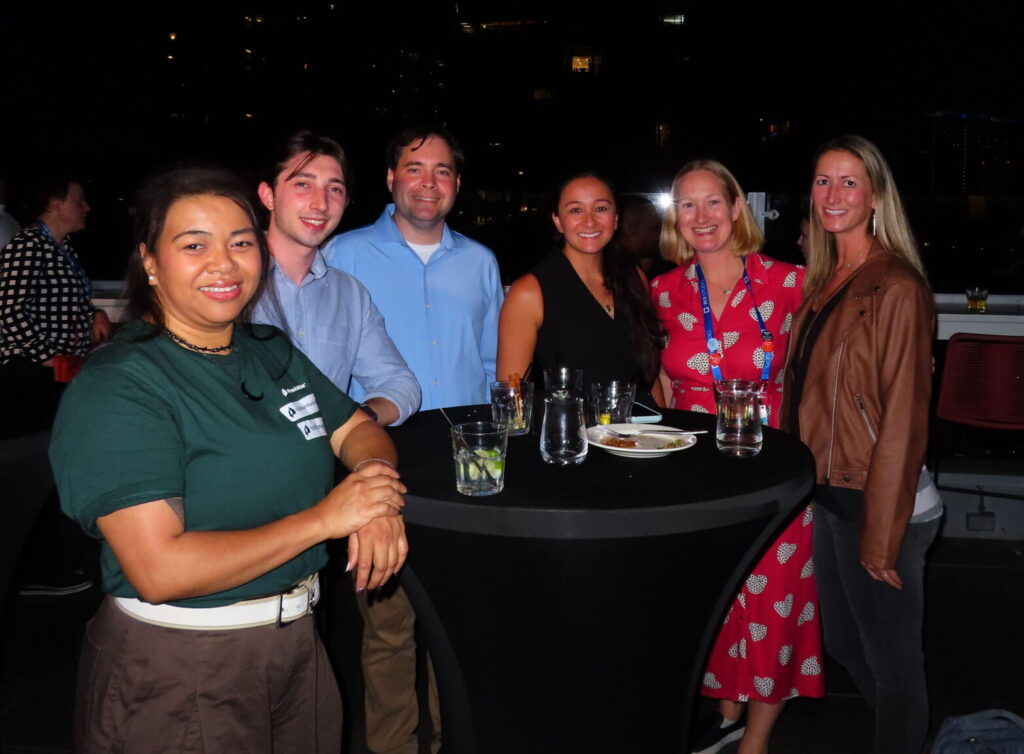
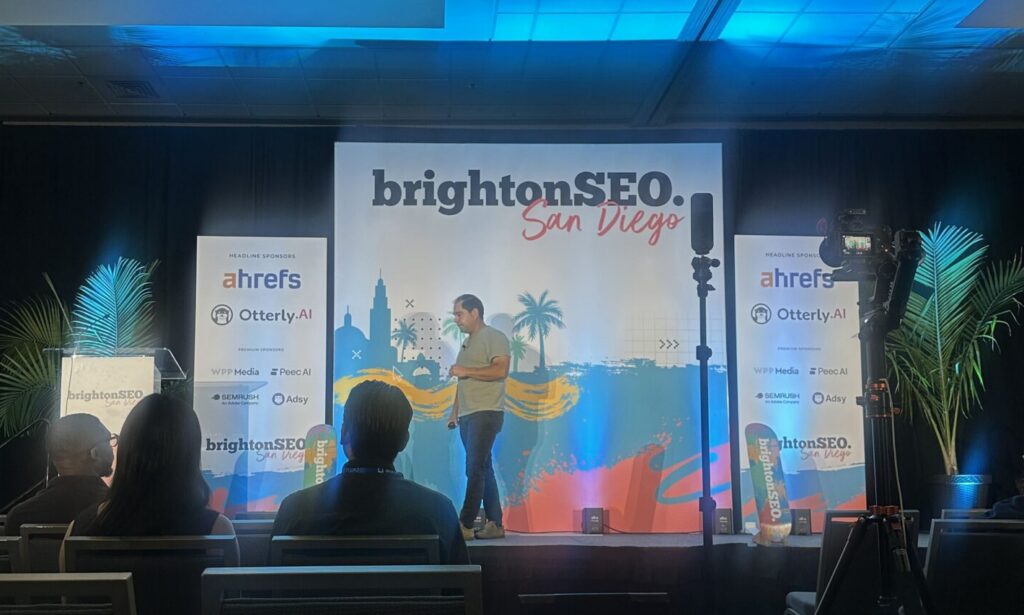
I recently spent an afternoon moderating authority-building sessions at brightonSEO San Diego, which helped reshape much of the audience’s thinking about how brands earn visibility outside their own websites.
The speakers came at authority from different angles, including SEO, digital PR, AI search, content and brand, but there was a theme that kept coming up in different forms: the brands that consistently invest in external validation are going to be the ones best positioned to be discovered in AI search.
AI visibility isn’t just about maintaining a technically sound website, ranking for the right keywords or running a link-building campaign. It’s about building a body of evidence around your brand across the places your audience, search engines and AI systems go looking for information.
And doing that well requires input from across the business.
Authority doesn’t care about your org chart
Sam Ogrizovic’s session was titled AI Doesn’t Care About Your Org Chart: Why Authority (Not Channels) Wins in GEO. That title captures the issue pretty well.
Internally, companies divide marketing into neat silos: SEO, PR, content, social, brand and so on. But those boundaries mean very little to the outside world.
A journalist looking for a useful statistic doesn’t care whether it came from an SEO strategist or an in-house researcher. A customer browsing Reddit for software recommendations doesn’t care which team monitors the account. An AI system doesn’t know that one mention came from PR while another came from an outreach campaign. It sees the combined footprint.
That makes authority a cross-functional brand challenge rather than something that can be neatly assigned to one team.
Being found means being present in more than one place
The traditional search journey was pretty straightforward: query, search result, website visit. That journey still exists, but discovery has fragmented.
People search Google, ask ChatGPT, check Reddit threads, read reviews, watch YouTube, follow industry practitioners on LinkedIn, read specialist publications, listen to niche podcasts and ask communities for recommendations. Often, they’ll do several of those things before making a decision.
So ranking first for an important keyword doesn’t necessarily tell you how visible your brand really is.
You can have excellent organic visibility and still be largely absent from the wider conversation around your category. Equally, a brand that doesn’t dominate every SERP might still have a strong presence because it is regularly referenced by trusted publications, experts, communities and other third-party sources.
That external validation matters.
AI makes that validation even more interesting
In his session, From Rankings to Citations: The Future of Organic Visibility, Prashant Puri looked at the shift from traditional rankings towards AI citations.
In standard search, we’re competing to appear in a list of results. In an AI-generated answer, the question becomes slightly different: is our brand, expertise or information part of the material being used to construct that answer?
That’s where third-party context becomes more interesting.
Your website tells search engines and AI systems what you want them to know about your company. Independent coverage provides another source of information. So does expert commentary, customer feedback, original research, community discussion and references from relevant websites.
None of these is a magic AI ranking factor. But together they provide something important: evidence that exists outside the brand’s own marketing.
Throughout the afternoon, speakers touched on entity coverage, co-citation, off-site signals and the role of niche publications in building this wider layer of authority.
External validation needs to be continuous
External validation doesn’t work particularly well as something you switch on for a few months, run a digital PR campaign and then move on from. It needs to be ongoing.
There’s an interesting parallel here with what we learned from the 2024 Google API documentation leak. Among the information uncovered in the leaked documentation was evidence that Google stores information about when links are first and last seen, alongside other link-related signals.
That doesn’t mean we can say “new link equals ranking boost.” We don’t know the weighting of these signals or exactly how they are used in Google’s systems. But it does reinforce something that makes sense anyway: links and external references aren’t necessarily static assets whose significance is permanently fixed on the day they’re acquired.
A brand that earns 50 great links in one year and then disappears from the external conversation for the next five years is going to look very different from one that continues earning relevant coverage, references and mentions.
New research, new products, new expertise, new opinions and developments in the category all create reasons for other people to talk about a brand. That’s the kind of ongoing external validation I think brands should be investing in.
This is where digital PR shines
Noah Greenberg’s Scaling Authority: An Offpage Playbook for Increasing Visibility in AI Search looked at how earned media, news distribution and social activity can work together to increase visibility in AI search.
Amanda Walls looked at using targeted digital PR to address specific authority gaps, while Jake Gauntley focused on off-site signals and building consistent entity authority.
What I liked about these sessions was that they weren’t really arguing for “more PR”. They were arguing for more intentional external presence.
Rather than spraying brand mentions across as many sites as possible, the question becomes:
Where does this brand need to be present? Which publications influence the category? Which experts are being quoted? Which communities are having the conversations? Which sources keep appearing when people search for the topic? And what can we create that gives those sources a genuine reason to reference us?
That might be proprietary data. It might be original research. It might be expert commentary or a genuinely useful resource. The tactic will depend on the gap, but the principle is the same: create something worth talking about, then get it in front of the people who influence the conversation.
Start with the authority gap
This is a much more useful starting point than simply asking, “How do we get more coverage?”
Ask instead:
Where are we absent? Which industry publications cover your category? Which competitors are consistently appearing in those publications? Which brands are being referenced in AI-generated answers? Which podcasts are quoting your competitors’ experts? Which communities are discussing the problems your product solves? And where is your brand conspicuously missing?
Those gaps give teams something concrete to work on. They also move the conversation away from arbitrary targets for links or mentions and towards a much more useful question: where would external validation actually make a difference?
This requires buy-in from across the business
Getting SEO, PR, content and product teams aligned early is probably the hardest part.
Take original research. The data might sit with a product or research team, while subject-matter experts know which findings are genuinely interesting. Content knows how to turn those findings into something people can understand and use. SEO can identify the questions and topics around which the research has relevance. Digital PR can identify the journalists and publications likely to care, while social and community teams can bring the findings into the conversations already happening around the subject.
All of those teams are doing something different, but they’re working from the same underlying idea.
When that’s planned from the start, one initiative can create a much broader external footprint than if it simply gets published as another article on the company blog.
The earlier those teams get involved, the better
A common mistake is treating off-site promotion as an afterthought. The content gets written, the page gets published, and then someone asks PR or outreach to “get some coverage”.
By that point, a lot of the opportunities have already disappeared.
Bring those teams into the process earlier and the idea itself can change. SEO might identify an authority gap. PR might know that journalists are already interested in the subject. An internal expert might have data nobody else has. Content might see an opportunity to turn that data into something genuinely useful.
The result is much more likely to be something that people outside the organisation actually want to reference.
Reputation as a growing part of discovery
Hannah Craig’s Why Reputation Is the New ROI brought another useful dimension to the conversation.
Reviews, community discussions, creators and media mentions aren’t traditionally things we’d put in the same bucket as SEO. But from a customer’s perspective, they’re all part of the same research process.
When I’m considering a company, I’m not just looking at what that company says about itself. I’m looking at what other people say.
That’s reputation.
And I think reputation and search visibility are becoming increasingly difficult to separate.
An isolated website making claims about its own expertise is one thing. A website making those claims while independent publications reference its work, experts discuss its research, customers share their experiences and relevant communities recognise the brand is something else entirely.
There’s simply more evidence to work with.
Authority is an investment, not a campaign
This is probably the biggest conclusion I took away from the afternoon.
I don’t think the brands that succeed in AI discovery will necessarily be the ones that find some secret technical optimization. I think they’ll be the brands that have consistently invested in being talked about, referenced and validated by other people.
They’ll have experts contributing to industry conversations, original research that gets referenced, relationships with relevant publications, customers talking about their products, useful resources that other sites want to link to and a presence in the communities their audience trusts.
And they’ll keep doing it.
Not because they’re chasing a single ranking signal, but because they’re building a reputation that exists beyond their own website.
The future of authority is cross-functional
That was ultimately my biggest takeaway from moderating the authority-building sessions at brightonSEO San Diego.
Search is fragmented, AI is changing how people discover information, and the number of places where a brand can be discovered, discussed and evaluated keeps growing.
Brands need to think about authority accordingly.
SEO has a role. PR has a role. Content has a role. Brand has a role. Social has a role. Subject-matter experts have a role. And, of course, link building has a role.
But the real opportunity comes when those things aren’t happening independently.
The brands that consistently create reasons for other people to talk about them, and make sure those conversations happen in the places that matter, will have the strongest foundations for discovery.
That’s what authority building looks like to me: an ongoing, cross-functional investment in external validation, rather than a series of disconnected campaigns.
Published on Sep 22, 2026
Last Updated on Sep 22, 2026
Your buyers are already asking AI who to trust. Let's make sure they find you.